What is Somatic Yoga?
Somatics focusses on the the connection of the mind and body. The field of clinical somatics was pioneered by Thomas Hanna, who explored how conscious movement and awareness can help retrain the nervous system and release chronic muscular tension.
In somatic movement, the focus shifts from how the body looks on the outside to how movement feels on the inside. Movements are slow, mindful and intentional, allowing us to sense more clearly what is happening within the body. This approach can be remarkably effective for reducing chronic tension and pain because it helps us retrain habitual movement patterns, This awareness helps reverse what Hanna called somatic amnesia — the loss of conscious control and sensing of certain muscles due to habitual tension and stress.
Somatic practices can be profoundly effective for relieving pain, tension and chronic contraction because they address the root of the pattern rather than simply treating the symptom.
Over time, this process restores freedom of movement. Many of our movement habits follow familiar neurological “paths,” like well-worn trails in the brain. Somatic practices help us notice these patterns and create new pathways, allowing us to move with greater choice, ease and awareness.
What about Embodied Yoga?
Embodied Yoga is an approach to yoga that focusses on the internal rather than the external. It asks us to inquire in to what we sense and feel rather than trying to match a picture of a yoga pose. Embodied yoga invites us to inquire into our own sensations, perceptions and internal experience. The emphasis is on listening to the body rather than forcing it into shapes.
Because of this, the benefits of embodied yoga extend far beyond the yoga mat. Students develop greater awareness of their bodies, their movement habits and the signals of their nervous system, which can support more ease, choice and resilience in everyday life.
Embodied Somatic Yoga
Embodied Somatic Yoga works directly with the nervous system. Because the movements are slower, smaller and simpler, the brain has the opportunity to pay closer attention to what is happening in the body. Patterns that were previously unconscious can become conscious, creating the possibility for new movement choices and more efficient patterns of coordination.
At its heart, embodiment is less about thinking and doing, and more about sensing and becoming aware.
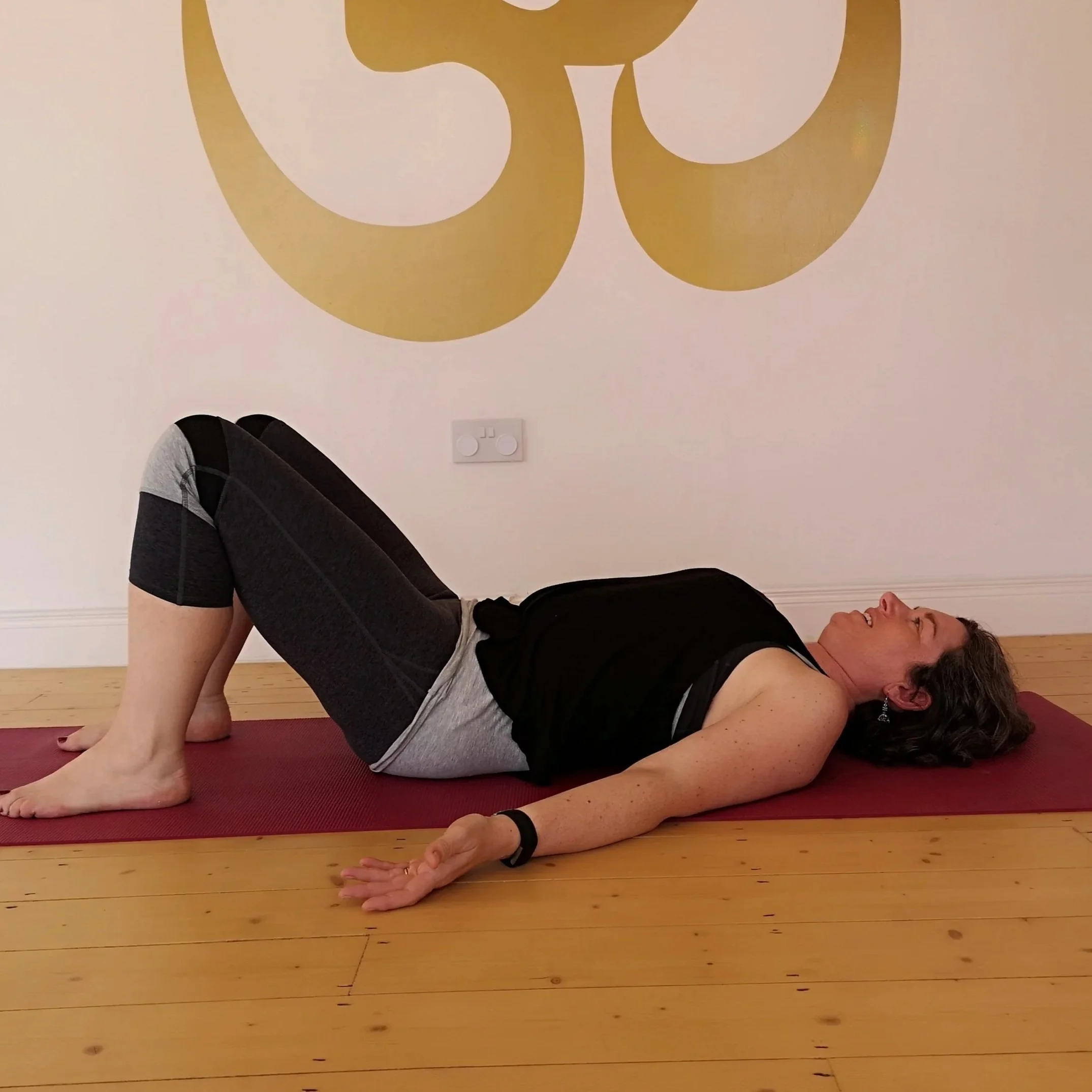
Explore some Somatic Movements with our videos below
Somatic Yoga | Somatic Movements | Thomas Hanna Somatics | Embodied Somatic Yoga | What is somatics? | Aruna Yoga | Laura Wynne | Somatics Yoga Teacher Training